
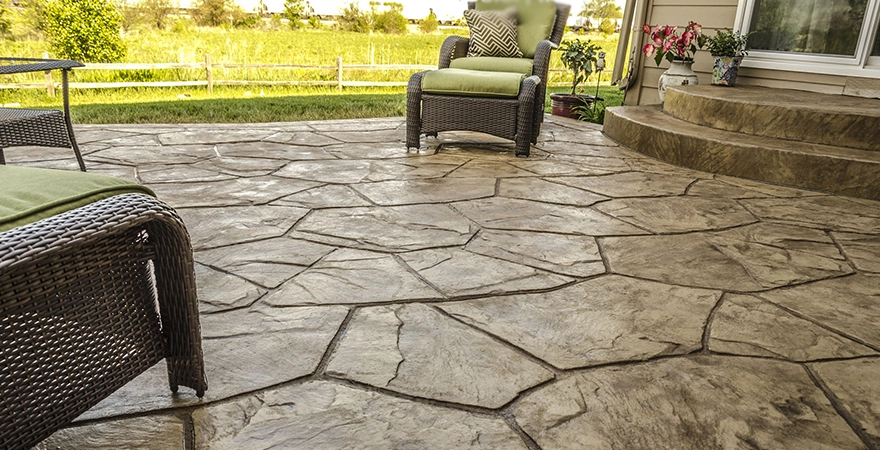
Stamped concrete may give a polished look to a patio, driveway, walkway, or pool deck. But a hasty sealing process might make it hazy, slippery, streaky, or flaky. Fortunately, most failures start out with preventable errors.
Sealer will not hide moisture, remove previous coating, or fix bad cleaning. Instead, it repairs what’s already on the concrete. It’s more important what you do before than what it looks like after. With a good plan, you can protect color, minimize staining, make cleaning easier, and avoid the cost of stripping, repairing, or recoating.
Timing Comes Before Shine
New stamped concrete needs time to cure. It may look dry while moisture still moves through the slab. Sealing too early can trap it, causing white haze, milky patches, bubbles, or weak bonding.
The waiting period depends on the mix, humidity, shade, weather, and product. Therefore, follow the installer’s guidance and label rather than a fixed number of days. Older concrete needs patience too. If several coats already exist, another layer can create buildup, uneven gloss, soft spots, and peeling.
Signs the Surface Is Not Ready
Inspect stamped concrete before opening any coating. Small signs may reveal larger problems. Delay sealing when you notice:
- Dark areas that stay damp longer than nearby concrete
- White powder or mineral marks across the pattern
- Cloudy patches beneath an older clear coat
- Peeling, bubbling, flaking, or thick glossy sections
- Oil, grease, rust, leaf, or tire stains
- Cracks filled with dirt or loose material
- Moisture left after pressure washing
- Rain, heavy dew, or strong wind in the forecast
- Temperatures outside the product directions
These signs matter because a clear coat can make existing flaws more visible. Instead of hiding stains or moisture, sealer may deepen their color and hold them in place.
Cleaning Must Reach the Texture
Stamped concrete has grooves, joints, and low spots that collect dust, soap, mud, grass, and grit. A quick rinse may leave enough residue to weaken the bond. First, remove loose debris. Next, choose a cleaner suited to the stain. Oil needs different treatment than rust, mildew, minerals, or leaf marks. Rinse well because soap can create streaks or dull areas.
Pressure washing can help, but too much force may damage the surface or strip color. Keep the nozzle moving and avoid cutting lines. Finally, let the area dry fully. Open sections may dry first, while grooves and shaded corners stay damp. Extra drying time is worth more than a rushed finish.
Old Sealer Changes the Job
Resealing differs from coating bare concrete. The new product must work with the old one. If the earlier layer is dirty, loose, thick, or chemically different, the fresh coat may soften, wrinkle, bubble, or separate.
A small test patch can prevent a big mistake. Apply the product in a hidden area, let it dry for the full label time, and inspect the bond, color, sheen, and texture.
Sometimes old coating only needs deep cleaning. However, failing layers may need removal. That work can involve strong products, washing, safety gear, and controlled disposal. Never assume every clear sealer can cover every existing finish. Product type, age, thickness, and condition shape the result.
Thin Coats Usually Perform Better
More sealer does not always mean more protection. Heavy coats can trap air, stay soft, show roller marks, collect in deep lines, and create a slick surface. Thin, even coats usually dry more evenly and bond better. The label should guide coverage, drying time, recoat timing, tools, and safe weather limits.
During application:
- Work in small, manageable sections
- Keep a wet edge to reduce overlap lines
- Spread sealer across raised and low areas
- Remove puddles from joints and deep texture
- Avoid mixing in air bubbles
- Follow the stated time between coats
- Keep leaves, dust, pets, and people away
- Wait before replacing furniture or allowing vehicles
A careful coat may look less dramatic, yet it often creates a cleaner finish after curing.
Weather Controls the Outcome
Hot concrete can make sealer dry before it spreads evenly. Cool or damp air can slow curing. Wind can carry dust onto the wet surface, while rain can mark unfinished coating. Direct sun creates uneven temperatures. One section may be hot while another stays cool, so the product may dry at different speeds.
Choose stable weather that matches the label. Check air and surface temperatures. Also allow enough time before rain, sprinklers, dew, foot traffic, furniture, or vehicles return.
Slip Resistance Matters
Stamped concrete can become slick when a smooth film covers the texture. This risk deserves extra care near pools, steps, ramps, slopes, and shaded entries.
A grip additive can create a rougher finish, but it must be mixed correctly. Too little may help less, while too much can feel uneven. For safer results:
- Choose a sheen that suits the location
- Avoid thick coats
- Use a compatible grip additive where needed
- Test a small area first
- Give extra attention to wet or sloped zones
Appearance matters, but steady footing matters more.
Color Changes Need a Test Patch
Many sealers darken stamped concrete and make the color look richer. However, the final shade depends on age, texture, moisture, old coatings, and product type.
Test the sealer in a hidden section and let it dry fully. Then inspect it in sunlight, shade, and evening light. A sample card cannot show exactly how the product will react with your concrete. This simple step can prevent a patio from ending up darker, glossier, or less even than expected.
Final Verdict
Stamping concrete can be sealed to avoid stains, make cleaning simpler, and help the color last longer. However, good outcomes depend on curing, proper cleaning, total drying, product compatibility, thin coats, consistent weather, and enough traction.
Haze, peeling, trapped moisture, roller lines, mushy areas, or unsafe footing might result from rushing any phase. Slow down, check the surface, read the label, and test before you cover the whole area. Pictured Rock Concrete offers sealing as planned maintenance, not a cosmetic task. The best protection begins before the first coat touches the concrete.